


Gratitude in Recovery: Why Thankfulness Transforms the Path to Sobriety
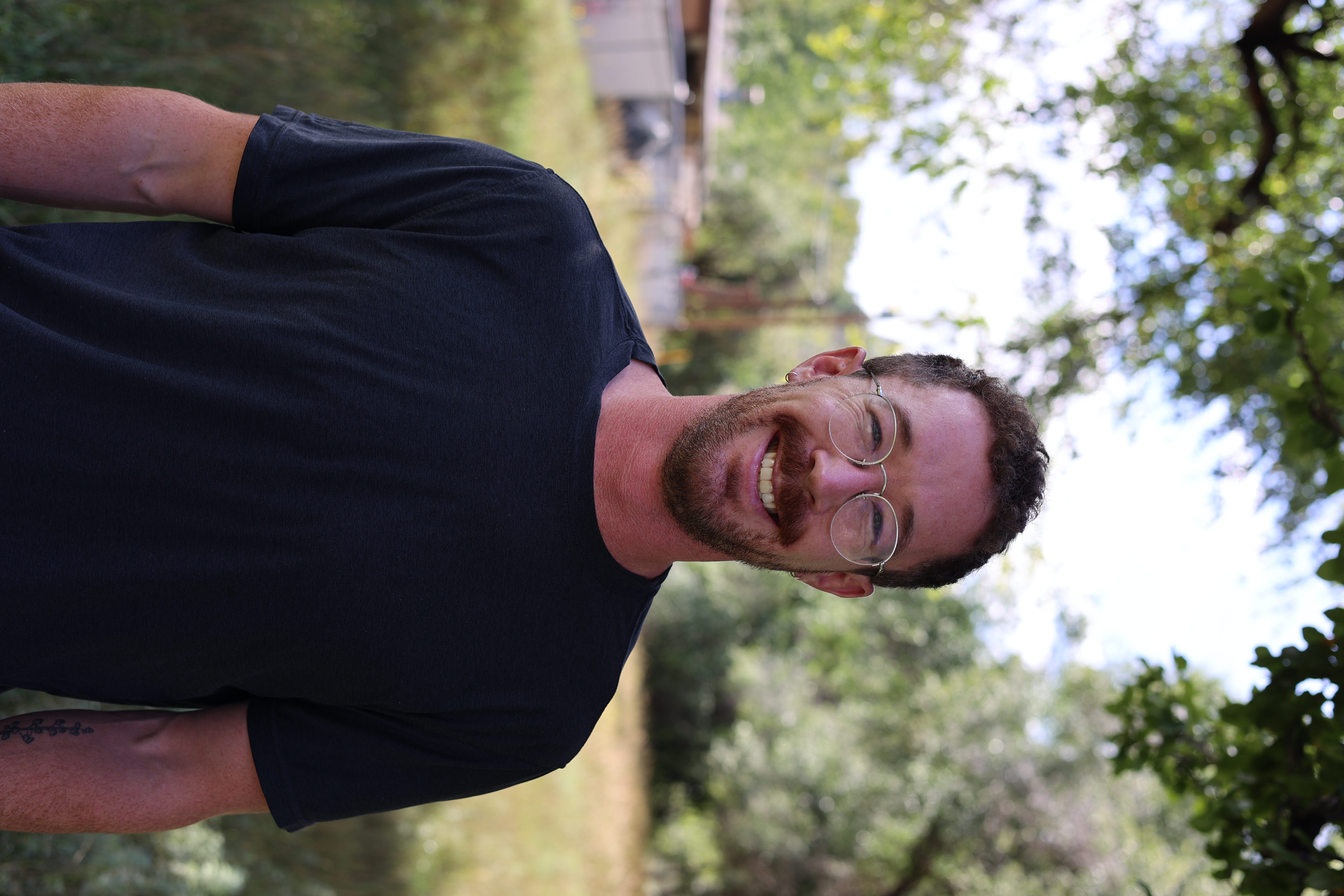
- Colin Lillis
Table of Contents
When a loved one enters treatment for a substance use disorder, the focus is often on the clinical side of healing: therapy, medical stabilization, and evidence-based protocols. While these elements are crucial, one of the most powerful and enduring tools in the recovery journey isn’t found in a medical chart but cultivated within the heart and mind. This tool is gratitude.
Gratitude in recovery is not about ignoring the pain of the past or the challenges of the present. Instead, it is a scientifically-backed practice that fundamentally reshapes the addiction recovery process. For individuals working to overcome substance addiction and co-occurring mental health conditions, cultivating an attitude of gratitude can rewire negative thought patterns, reduce stress levels, and build the profound emotional resilience needed for vibrant, long-term sobriety.
What Does Gratitude in Recovery Actually Mean?
Gratitude in recovery transcends the simple act of saying “thank you.” It signifies a conscious shift in perspective—moving from a focus on loss to an appreciation for what remains, from the weight of past regrets to the potential of the present moment. For someone emerging from the chaos of a substance use disorder, this change in mindset is revolutionary.
Active addiction creates a mental state of scarcity and lack, where the substance is seen as the only solution to fill an internal void. This worldview is compounded by shame, guilt, and a pervasive negativity bias. Gratitude actively counters this by training the mind to recognize abundance already present: the support of family, the opportunity for treatment, improvements in physical health, or the simple gift of a new day free from substance use.
How Does Gratitude Support Addiction Recovery?
The benefits of gratitude in addiction recovery are rooted in psychological and neurological science. This practice extends across the mental, physical, social, and spiritual dimensions of healing, creating a synergistic effect that reinforces sobriety.
Rewiring the Brain for Positivity
Substance abuse fundamentally alters the brain’s chemistry, particularly its reward pathways. It creates deep neural grooves focused on seeking and using substances to achieve pleasure or avoid pain. Research shows that gratitude increases activity in the medial prefrontal cortex, the brain region associated with learning, decision-making, and emotional regulation. By consistently focusing on positive experiences, individuals in recovery can retrain their brains to find joy and fulfillment in non-substance-related activities, weakening the pull of old, destructive habits.
Reducing Stress and Anxiety
The recovery journey, especially early recovery, is often marked by heightened anxiety and stress. Gratitude is a powerful antidote. Research published in multiple studies indicates that gratitude practice can reduce cortisol levels by approximately 23 percent, leading to significant improvements in stress management and overall well-being. It can also lead to better sleep quality, a critical factor for stable mental health. Because the brain cannot focus on both appreciation and worry simultaneously, consciously shifting to a grateful thought can serve as an immediate tool to de-escalate anxiety and cravings.
Strengthening Relationships and Community
Addiction thrives in isolation and often leaves a trail of damaged relationships. Expressing sincere appreciation to family, friends, and peers in support groups builds trust and fosters empathy. Within the supportive environment of treatment centers or group therapy, community sharing of gratitude creates a positive feedback loop that normalizes vulnerability and reinforces the shared goal of healing.
Building Emotional Resilience
Recovery is not a linear path; it is filled with challenges, emotional triggers, and moments of doubt. Gratitude builds emotional resilience—the capacity to navigate adversity without resorting to substance use. Instead of viewing a setback as a catastrophic failure, a person with a mindset of gratitude can reframe it as a learning opportunity. This resilience transforms obstacles from insurmountable threats into evidence of strengthening resolve and commitment.
How Can Young Men Practice Gratitude in Recovery?
Understanding the benefits is the first step; consistent practice creates lasting change. Effective treatment programs integrate structured and accessible methods for cultivating gratitude.
Not sure where to start? Every recovery journey is different—we can help you find the right path.
Explore What We Can Do →Keep a Daily Gratitude Journal
One of the most effective methods is keeping a daily gratitude journal. This simple practice involves writing down three to five specific things for which one is grateful each day. The key is specificity. Instead of “I’m grateful for my family,” a more impactful entry would be, “I’m grateful my dad trusted me enough to talk about our camping plans for the summer.” Over time, this gratitude journal becomes a powerful resource to revisit during difficult moments.
Express Appreciation to Others
Gratitude multiplies when shared. Encouraging individuals to verbally express their appreciation to peers, therapists, and family members reinforces positive interpersonal relationships. Within the framework of the twelve steps, this can take the form of Letters of Apology or Amends, where gratitude for forgiveness and the opportunity to heal is a core component.
Find Gratitude in Nature and Physical Challenges
Treatment centers that utilize outdoor adventure programming provide powerful, non-verbal avenues for gratitude. Successfully navigating a difficult hike, mastering a new skill, or simply being present amidst natural elements can evoke a profound sense of appreciation for one’s physical health and capabilities. These experiences offer a visceral feeling of accomplishment that addiction often steals.
Similarly, programs that incorporate exercise and fitness activities create opportunities for young men to experience gratitude for their bodies’ capabilities and the mental clarity that comes from physical exertion. These tangible achievements generate authentic feelings of pride and appreciation.
Practice Mindful Gratitude Throughout the Day
Beyond formal exercises, gratitude can become a moment-to-moment practice through mindfulness. This involves consciously pausing throughout the day to notice and appreciate small joys: the taste of a good meal, the warmth of the sun, a kind word from a friend. This ongoing awareness trains the brain to automatically seek out the positive, gradually shifting one’s default emotional state.
Reframe Challenges with Gratitude
An advanced gratitude practice involves finding appreciation within adversity. This is not toxic positivity; it is about recognizing that challenges often contain hidden gifts. A difficult craving, once navigated successfully, can become a source of gratitude for one’s growing strength. A painful memory, once processed in therapy, can evoke gratitude for the healing that is now possible.
How Does Gratitude Fit into Comprehensive Addiction Treatment?
Gratitude is not a standalone cure but an essential component of a holistic treatment plan. The most effective treatment centers weave gratitude practices into a comprehensive framework that addresses the multifaceted nature of addiction.
Integration with 12-Step Principles
Gratitude is a cornerstone of 12-Step programs like Alcoholics Anonymous and Narcotics Anonymous. Principles like “counting our blessings” and taking a daily inventory are acts of gratitude and accountability. Modern treatment programs effectively bridge clinical therapies with these time-tested principles, showing clients how an attitude of gratitude supports their entire 12-Step journey.
Complement to Evidence-Based Therapies
Gratitude practices work in powerful synergy with clinical interventions like Cognitive Behavioral Therapy (CBT), Dialectical Behavior Therapy (DBT), and trauma-informed care. While these therapies are essential for identifying and deconstructing destructive thoughts and behaviors, gratitude provides the positive, constructive replacement. CBT helps a person challenge the thought “I am a failure,” while a gratitude practice simultaneously builds the new belief, “I am capable and grateful for the progress I’m making.”
Enhancement Through Experiential Activities
Programs that utilize experiential and holistic therapies create natural opportunities for gratitude to flourish. Pushing through a physical challenge, collaborating on a team project, or finding a creative outlet for self-expression can generate genuine feelings of pride and thankfulness. These activities provide tangible proof of personal growth, making gratitude feel earned and authentic rather than abstract or forced.
Ready to take the next step in recovery?
Get in Touch →Long-Term Support and Alumni Connection
Effective programs offer robust alumni support and continuing care resources that reinforce the habits learned during treatment. When alumni return to share their stories, they almost invariably cite gratitude as a key to their sustained sobriety, providing powerful, real-world modeling for current clients.
What Challenges Might Arise When Practicing Gratitude in Recovery?
While the benefits are clear, cultivating thankfulness in early recovery is not always simple. Recognizing potential obstacles allows for a more compassionate and realistic approach.
Gratitude Doesn’t Come Naturally to Everyone
For individuals grappling with severe depression, extensive trauma, or a naturally pessimistic outlook, being asked to “be grateful” can feel dismissive or impossible. In these cases, it’s vital to start small and concrete with simplified prompts focused on sensory experiences: “Name one thing you saw today that was beautiful” or “What is one physical capability you are grateful for?” Patience and gentle guidance are key.
Risk of Toxic Positivity
There is a significant difference between authentic gratitude and toxic positivity. Individuals in recovery should never be pressured to feel grateful for their addiction or the pain it caused. A healthy practice acknowledges that multiple truths can coexist: one can feel deep regret for past actions AND be grateful for the opportunity to change. This “both/and” approach prevents gratitude from becoming another form of emotional avoidance.
Gratitude Alone Isn’t Sufficient
Gratitude is a powerful supplement, not a substitute, for comprehensive addiction treatment. Lasting recovery requires a multi-pronged approach that includes clinical therapy, medical oversight, a strong support network, and often, participation in support groups. Gratitude enhances these interventions, but it cannot replace them.
Why Does Gratitude in Recovery Matter for Parents?
For a parent navigating the overwhelming process of finding help for their child, understanding a program’s emphasis on gratitude provides critical insight into its philosophy of care. It signals that the treatment experience goes beyond mere abstinence and aims for deeper, holistic transformation.
A focus on gratitude indicates that a program is committed to building internal resources, healing the whole person, and fostering long-term skills. When your child begins to share things from their gratitude journal during a phone call, you are witnessing the rewiring of their brain in real time—seeing them build a foundation for a future where happiness is found not in a substance, but in genuine appreciation for life itself.
Building a Foundation for Lasting Recovery
Ultimately, gratitude in recovery is far more than a fleeting feeling. It is a deliberate, science-backed practice that empowers individuals to reduce stress, regulate emotions, strengthen relationships, and build the resilience required for durable and meaningful sobriety.
For parents seeking the most effective care, a program that intentionally integrates gratitude into its evidence-based clinical model offers the greatest promise for genuine and lasting change. Individuals who leave treatment with an established gratitude practice are not just sober; they are equipped with a powerful lens through which to view the world. They carry a fundamental recovery tool that allows them to navigate challenges and find joy in the journey. Recovery is a lifelong process, and an attitude of gratitude makes that process not just manageable but rich with meaning, connection, and hope.
Gratitude is just one component of building a sustainable recovery lifestyle. Young men in recovery benefit from developing comprehensive daily practices that support long-term sobriety. Explore our complete guide on how to become a better man through structured routines, emotional resilience, and accountability to complement your gratitude practice with additional personal growth strategies.
If you’re looking for a treatment program in Flagstaff, Arizona that combines clinical excellence with innovative approaches, contact Back2Basics Outdoor Adventures today. Our residential treatment program specializes in helping young men overcome substance use disorders and co-occurring mental health conditions through comprehensive care that addresses mind, body, and spirit. Let us help your son discover what he has to be grateful for—and build a foundation for lasting recovery.
Colin Lillis is the Adventure Guide at Back2Basics Recovery, leading outdoor excursions including hiking, backpacking, and camping in the Flagstaff area. Through wilderness experiences, he helps clients build resilience and self-confidence.
View Full Profile →