


Men’s Mental Health Statistics: 15 Critical Facts Parents Need to Know
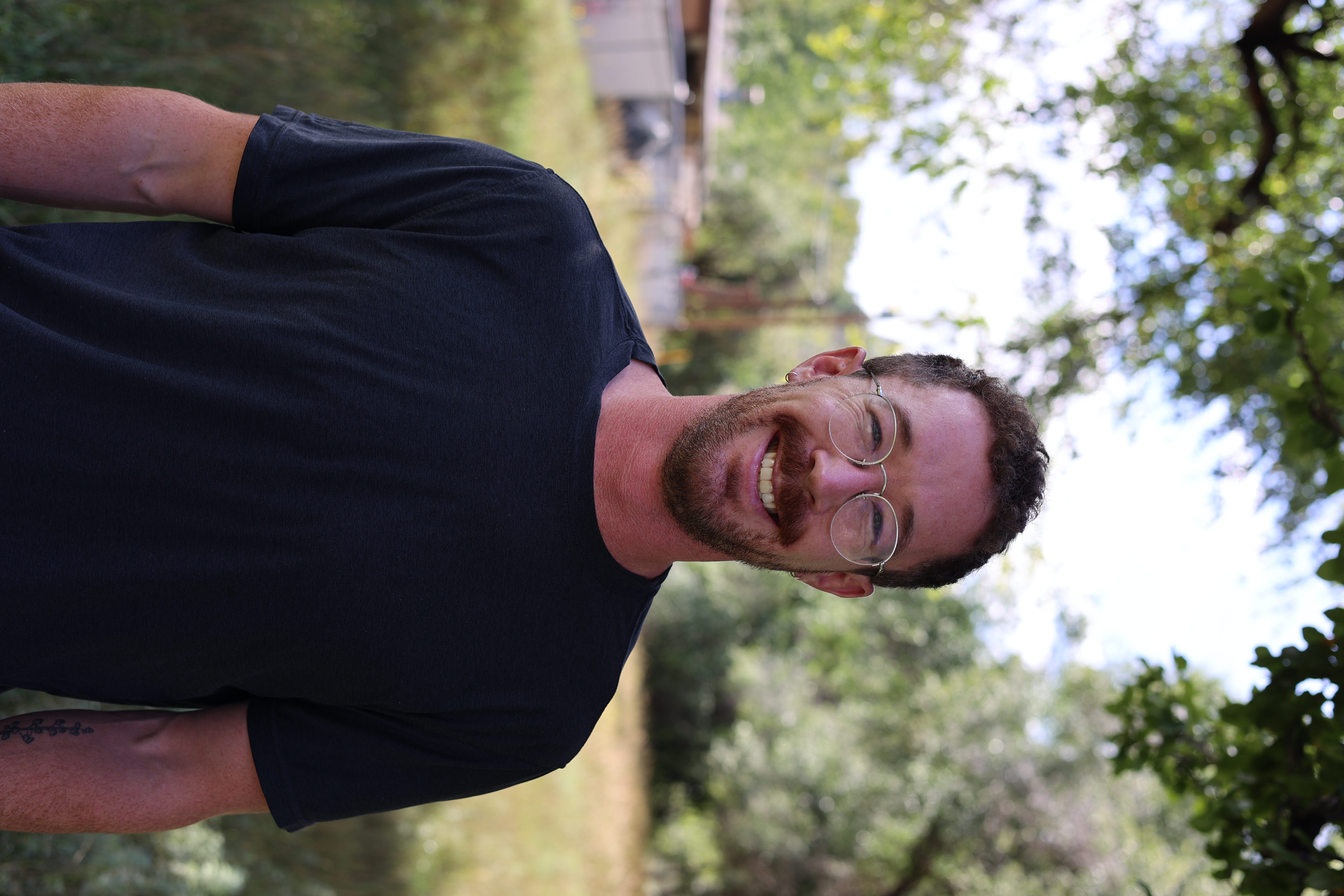
- Colin Lillis
Table of Contents
When your son is struggling, understanding the broader landscape of men’s mental health can provide crucial context, helping you recognize warning signs and take meaningful action. The statistics surrounding this topic reveal a silent crisis affecting millions of men and boys across the country. While recent surveys show a positive shift, with 95% of men now stating that mental health is as important as physical health, a significant gap remains between acknowledgment and action. This article explores the key statistics, the reasons behind them, and why specialized treatment approaches are vital for helping young men move from silent suffering to recovery.
The Silence Surrounding Men’s Mental Health
While any mental health condition can affect anyone, societal expectations and social norms often cause men to experience and express their struggles differently than women. For parents observing their son’s withdrawal, irritability, or changes in behavior, understanding this dynamic is the first step. The numbers provide a stark backdrop for what countless families are facing.
In England, for example, while about one in five adults lives with a common mental health problem, the reported rates are notably different by gender, affecting 15.4% of men compared to 24.2% of women. This disparity doesn’t necessarily mean fewer men are struggling; rather, it highlights a profound issue of underreporting. The silence surrounding Men’s mental health often masks the true prevalence of mental illness, leaving many to battle their issues in isolation until they reach a breaking point.
The Communication Gap
The reluctance of men to discuss their internal struggles is one of the most significant barriers to getting help. This communication gap is not just an anecdotal observation; it’s a statistically proven phenomenon that perpetuates a dangerous cycle of isolation and untreated mental health issues.
1. 40% of men have never spoken to anyone about their mental health
This staggering figure means that a large portion of men experiencing anxiety, depression, or other mental health disorders suffer completely alone. For young men, the ingrained pressure to appear strong and self-reliant creates formidable barriers to seeking help, a silence that can have devastating consequences.
2. 77% of men have experienced symptoms of common mental health conditions
Anxiety, stress, and depression are nearly universal experiences for men. However, the profound disconnect between feeling these symptoms and feeling able to discuss them is where the danger lies. This gap prevents early intervention and normalizes silent suffering.
3. 29% say they’re “too embarrassed” to speak about their mental health
Shame and the fear of judgment remain powerful deterrents. Traditional masculine stereotypes that equate emotional expression with weakness can make vulnerability feel like a failure, preventing men from taking the first step toward recovery.
Why Men Stay Silent
The reasons behind this silence are complex and deeply rooted in cultural and personal beliefs. Understanding these specific drivers is crucial for parents and providers hoping to create a safe environment for men to open up and seek the support they need.
4. 40% report they’ve “learned to deal with it” on their own
This mindset of rugged self-reliance, while often praised, can be a major obstacle in a behavioral health context. It prevents men from developing healthy coping mechanisms or recognizing when a problem has grown too large to handle without professional guidance.
5. 36% don’t want to be a burden to anyone
Young men, in particular, frequently internalize their problems. The belief that their struggles are a private matter to be handled independently stops them from reaching out to family and friends who could offer crucial support.
6. 20% perceive a negative stigma around mental health discussions
Despite years of public awareness campaigns, a persistent stigma continues to affect men. They may fear judgment from peers, damage to their reputation, or negative consequences in their professional lives if they admit to having a mental health struggle.
The Healthcare Disconnect
Even when men are willing to consider help, a significant disconnect often exists within the health care system itself. This gap is not just about personal reluctance but also involves how men interact with medical professionals and how their symptoms are recognized and addressed.
Not sure where to start? Every recovery journey is different—we can help you find the right path.
Explore What We Can Do →7. Men are less likely to recognize or acknowledge symptoms
This often leads to underreporting in clinical settings. Men might describe physical symptoms like headaches or fatigue rather than emotional ones like sadness or hopelessness, causing primary care physicians to miss the underlying mental health condition.
8. Only about half of men with mental health issues seek support
This statistic from the Anxiety and Depression Association of America highlights a critical problem: men are not accessing professional evaluation and mental health services at a rate that matches their actual needs, leading to delayed diagnosis and treatment.
9. 22% of men wouldn’t feel comfortable speaking to their doctor about mental health
The doctor’s office should be a safe space, but for many men, fear and discomfort prevent them from initiating this crucial conversation. This hesitation can stall the entire process of getting a diagnosis and exploring treatment options.
The Workplace and Financial Pressure Connection
For many young men transitioning into adulthood, external pressures related to career and finances are a major source of stress that can trigger or worsen mental health issues. These real-world anxieties are a significant piece of the puzzle.
10. 32% cite work pressure as the biggest cause of mental health issues
The demand to succeed, establish a career, and meet professional expectations can create immense strain. Treatment programs that address life skills, purpose, and vocational stress are therefore essential for sustainable recovery.
11. 31% identify financial concerns as a primary mental health stressor
Economic anxiety, whether from student debt, employment instability, or the pressure for financial independence, weighs heavily on men. These stressors can exacerbate conditions like anxiety and depressive disorders. If you’re concerned about the cost of treatment, verify your insurance coverage to understand your options.
12. Nearly 1 in 5 men report that stress, depression, or anxiety was caused or worsened by work
This demonstrates the powerful impact a workplace environment can have on a man’s well-being, highlighting the need for healthier work cultures and better stress management tools.
The Crisis Point
Tragically, many men wait until their struggles have escalated into a full-blown crisis before seeking help. This pattern of delayed intervention is a primary reason why the consequences of untreated mental illness are so severe in the male population.
13. Men are far more likely to die by suicide
According to Mental Health America, men die by suicide 3.7 times more often than women. This occurs despite women being diagnosed with depression more frequently, a paradox that underscores how men’s reluctance to seek help can have deadly consequences. Addressing suicidal thoughts and prioritizing suicide prevention is paramount.
14. Suicide is a leading cause of death for young men
Globally, suicide is the fourth leading cause of death in young men aged 15–29, making it a public health emergency.
15. Substance abuse is a common and dangerous complication
Many men turn to alcohol or drugs to self-medicate their emotional pain. This often leads to a co-occurring substance use disorder, which complicates treatment and increases the risk of overdose and suicide. Addressing both the substance abuse and the underlying mental health condition simultaneously is critical.
Why These Statistics Matter for Your Son
These men’s mental health statistics are more than just numbers—they represent real young men whose struggles may mirror what you are witnessing in your own son. Understanding this broader context helps parents see that their son’s challenges are not isolated incidents but part of systemic barriers affecting men nationwide.
Ready to take the next step in recovery?
Get in Touch →The good news is that this knowledge is power. Recognizing that societal pressures, communication barriers, and a disconnect with the health care system contribute to the problem can help you approach your son with more empathy and understanding. When young men receive appropriate, specialized treatment that addresses their unique needs, recovery is not just possible; it is probable.
What Makes Men’s Mental Health Treatment Different
Traditional therapeutic approaches, which often rely heavily on verbal emotional processing, may not resonate with young men conditioned to suppress feelings. Effective mental health treatment for men must acknowledge these differences and adapt its methods.
- Create Safe Spaces: Treatment must reframe vulnerability as a sign of strength, not weakness, challenging the very social norms that keep men silent.
- Incorporate Action-Oriented Therapies: Many men process emotions more effectively through action than through conversation. Therapies involving physical activity, skill-building, or experiential challenges can be far more effective.
- Address Co-Occurring Disorders: It is essential to treat both the mental illness—such as bipolar disorder or Major Depressive Disorder—and any accompanying substance abuse simultaneously in an integrated program.
- Build Practical Life Skills: Effective programs must address the real-world pressures men face, such as financial stress and career development, providing them with tangible tools for navigating adulthood.
- Foster Peer Connection: Support groups and community-based models allow men to connect with peers who understand their experiences, breaking down the profound sense of isolation that so many feel.
The Power of Outdoor Adventure Therapy for Young Men
While statistics reveal the scope of Men’s mental health challenges, they also point toward innovative solutions. Young men often respond powerfully to treatment options that combine clinical expertise with physical challenges and outdoor adventure. This approach directly counters the passivity and confinement that many associate with traditional therapy.
Our residential treatment program that incorporates wilderness experiences and adventure therapy creates unique opportunities for young men to:
- Process emotions through physical exertion
- Build genuine confidence by overcoming real-world obstacles
- Develop strong peer connections through shared, challenging experiences
- Practice healthy stress management in an engaging, active environment
- Discover a sense of purpose and direction that was lost
Arizona’s natural landscape provides an ideal setting for this therapeutic approach, offering year-round opportunities for outdoor programming that helps young men break through the silence these statistics reveal.
Breaking the Cycle of Silence
Your son does not have to become another statistic. When young men receive treatment that meets them where they are—acknowledging the unique barriers they face while providing active, engaging approaches to healing—a remarkable transformation is possible.
The key is acting before a crisis strikes. If you notice warning signs such as withdrawal, increased irritability, or statements of hopelessness, these statistics confirm that he is not alone in his struggles and that help is available. For immediate support, the Suicide and Crisis Lifeline can be reached by dialing 988. Effective suicide prevention begins with awareness and swift action.
Many parents have questions about the treatment process. Our frequently asked questions page addresses common concerns about admissions, programming, and what to expect during your son’s recovery journey.
How Back2Basics Addresses Men’s Mental Health
At Back2Basics Recovery, we have developed specialized outdoor adventure programming for young men that directly addresses the challenges revealed in these statistics. We understand that effective behavioral health care for men requires a unique approach. Our program combines:
- Clinical Excellence: Licensed therapists experienced in treating a range of mental health disorders, from depressive disorders to bipolar disorder.
- Outdoor Adventure Therapy: Engaging young men in physical, meaningful activities that build resilience and self-awareness.
- Integrated Substance Abuse Treatment: Addressing the high rate of co-occurring substance use disorder alongside mental health challenges.
- Peer Community: A supportive environment where young men build healthy relationships and learn from one another.
- Life Skills Development: Practical training to address the real-world pressures men face.
Our Flagstaff location provides access to incredible outdoor opportunities while maintaining proximity to comprehensive clinical resources. The combination allows young men to challenge themselves physically while developing emotional awareness and healthy coping strategies.
Through activities like hiking Arizona’s scenic trails, rock climbing, mountain biking, and wilderness expeditions, young men discover they can handle difficult emotions and challenges. These experiences build resilience, confidence, and a sense of capability that translates directly to managing mental health in everyday life.
Our approach is informed by research from leading institutions like the National Institute of Mental Health (NIMH), which emphasizes the importance of integrated and comprehensive mental health services.
Taking the Next Step
These men’s mental health statistics paint a concerning picture, but they also illuminate a clear path forward. Your son deserves treatment that understands the unique challenges he faces and creates a space for genuine healing and growth.
If you are concerned about your son’s mental health, don’t wait for a crisis. Contact our admissions team to learn more about how our men’s outdoor adventure program helps young men break through isolation, develop healthy coping skills, and build lives of purpose and connection. The statistics show that too many young men suffer in silence. Your son doesn’t have to be one of them.
Colin Lillis is the Adventure Guide at Back2Basics Recovery, leading outdoor excursions including hiking, backpacking, and camping in the Flagstaff area. Through wilderness experiences, he helps clients build resilience and self-confidence.
View Full Profile →