


When your son is struggling with substance use or mental health challenges, finding the right treatment can feel overwhelming—especially when trying to understand the financial investment involved. Wilderness therapy programs vary significantly in cost based on several factors, but understanding what drives these costs and how insurance can help makes the decision clearer.
Wilderness therapy programs typically cost between $400–$800 per day, with most comprehensive programs running $15,000–$50,000 for a full treatment stay.
The terms of your insurance plan, the type of wilderness therapy program you choose, and your length of stay will determine the cost of your treatment. Your insurance may cover all or part of your stay, so you may incur an out-of-pocket expense for wilderness therapy.
Understanding the Cost of Wilderness Therapy Programs
No matter what your method of payment is, this type of therapy can be expensive. That price can get pretty steep, even for a 2-week stay for an adolescent at one of these programs.
Most adults seeking help for substance use disorders and mental health treatment will require a stay as long as half a year. As outdoor adventure therapy continues to prove its effectiveness on those who attend, insurance companies are starting to recognize it as a reputable form of therapy and are more willing to cover the cost. Many insurance companies will reimburse you for the clinical component or counseling portion of your therapy while you remain responsible for the outdoor adventure part of the program.
What Factors Influence Wilderness Therapy Costs?
Program Length and Intensity
The duration of treatment significantly impacts overall costs. While some wilderness therapy programs operate on shorter 2-4 week timeframes, comprehensive addiction treatment often requires 90 days or more for lasting recovery. Understanding how long wilderness therapy lasts helps families plan both financially and logistically. Programs that integrate residential treatment with outdoor adventure therapy typically offer better long-term outcomes because they provide sustained clinical support alongside experiential learning.
Type of Treatment Services Included
Wilderness therapy programs differ substantially in what they offer. Some provide basic outdoor experiences with minimal clinical oversight, while comprehensive programs combine multiple evidence-based therapeutic approaches. Learning what wilderness therapy entails helps families evaluate whether a program justifies its cost. Higher-quality programs include individual therapy sessions, group counseling, psychiatric care, medication-assisted treatment when appropriate, and family therapy components—all of which contribute to more effective treatment outcomes.
Staff Qualifications and Ratios
Programs with highly qualified licensed therapists, psychiatrists, and experienced outdoor guides typically cost more but deliver superior care. The staff-to-client ratio matters significantly for safety and individualized attention. Accredited facilities with Joint Commission certification maintain rigorous standards for staff credentials and training.
Location and Facility Amenities
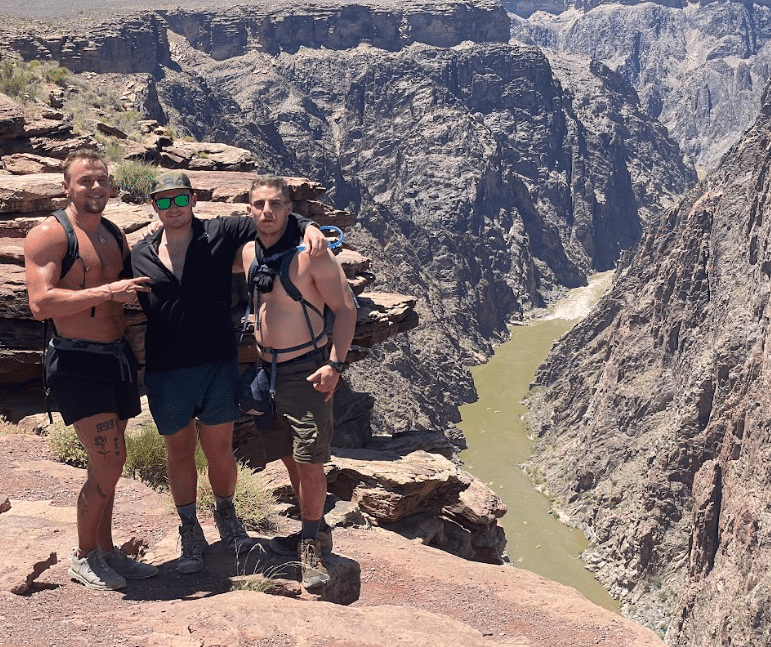
Wilderness therapy programs in regions with extraordinary natural settings—like those near national forests, canyons, and mountain ranges—often reflect their unique environmental advantages in pricing. Facilities that back up to protected wilderness areas like Coconino National Forest offer unparalleled access to transformative outdoor experiences.
Does Insurance Cover Wilderness Therapy?
This is often the first question parents ask, and the answer brings hope: many insurance plans do provide coverage for wilderness therapy programs, though the extent of coverage varies.
How Insurance Coverage Typically Works
Insurance companies increasingly recognize outdoor adventure therapy as a legitimate treatment modality for substance use disorders and co-occurring mental health conditions. Under federal mental health parity laws, insurance plans that cover medical and surgical care are generally required to provide equivalent coverage for behavioral health treatment.
Most insurance plans will cover the clinical and therapeutic components of wilderness therapy, which includes individual counseling, group therapy, psychiatric services, and medication management. The outdoor adventure portion may require out-of-pocket payment, though some comprehensive behavioral health plans cover these experiential components as well.
Which Insurance Providers Cover Wilderness Therapy?
Major insurance carriers that commonly provide coverage for wilderness therapy include Aetna, Cigna, United Healthcare, Blue Cross Blue Shield, Anthem, Carelon Behavioral Health, Humana, TriWest, and MultiPlan. Many families find they have out-of-network benefits that can significantly reduce costs even when a facility isn’t in their specific network.
Not sure where to start? Every recovery journey is different—we can help you find the right path.
Explore What We Can Do →It’s important to note that Medicare, Medicaid, and state-funded AHCCCS plans typically do not cover wilderness therapy programs. However, commercial policies with out-of-network benefits often provide substantial reimbursement.
Verifying Your Insurance Benefits
Before making any treatment decisions, take advantage of free insurance verification services. Most reputable wilderness therapy programs offer confidential benefits checks that determine your exact coverage, including deductibles, co-insurance percentages, and out-of-pocket maximums.
Ready to understand your coverage? Contact Back2Basics at (928) 379-7740 for a free, no-obligation insurance benefits verification. Our admissions team can help you understand exactly what your plan covers and explore all available payment options.
What Makes Wilderness Therapy Worth the Investment?
Evidence-Based Treatment Outcomes
Research demonstrates that wilderness therapy produces lasting behavioral changes when delivered by qualified professionals. Programs that integrate outdoor adventure with clinical treatment show particularly strong outcomes for young men dealing with substance use and co-occurring mental health conditions.
According to SAMHSA’s Treatment Improvement Protocol, longer treatment durations correlate with better recovery outcomes. Programs offering 90+ days of comprehensive care give clients time to develop coping skills, process underlying trauma, build sober support networks, and practice healthy living patterns before transitioning back to independent life.
The Unique Benefits of Outdoor Adventure Therapy
Wilderness experiences create powerful opportunities for personal transformation that traditional clinical settings cannot replicate. When young men step outside their comfort zones—whether hiking to remote viewpoints, navigating challenging terrain, or camping under the stars—they discover capabilities they didn’t know they possessed.
Physical challenges in nature clear the mind, reduce stress hormones, and create space for reflection away from digital distractions and unhealthy peer influences. These experiences help defeat old addictive thinking patterns by establishing new neural pathways associated with accomplishment, self-efficacy, and healthy risk-taking.
For young men struggling with depression alongside substance use, wilderness therapy for depression offers unique therapeutic benefits. The combination of physical activity, natural sunlight exposure, meaningful social connections, and achievement-based experiences addresses both conditions simultaneously.
Long-Term Recovery Investment
While wilderness therapy represents a significant financial commitment, consider the alternative costs: repeated short-term interventions, emergency room visits, legal consequences, damaged relationships, and interrupted education or career development. Investing in comprehensive treatment now can prevent these cascading costs while giving your son the foundation he needs for lifelong recovery.
How Back2Basics Makes Wilderness Therapy Accessible
Comprehensive Insurance Acceptance
Back2Basics works with most major insurance providers and accepts both in-network and out-of-network plans with behavioral health benefits. Our billing specialists handle the paperwork and claims process, allowing families to focus on their son’s recovery.
Transparent Pricing and Payment Support
We provide detailed breakdowns of what insurance covers versus out-of-pocket expenses from the beginning. For families whose insurance doesn’t provide coverage or who prefer to self-pay, we offer private pay arrangements and flexible payment plans tailored to your family’s financial situation.
What to Look for in a Wilderness Therapy Program
Accreditation and Licensing
Choose programs with proper state licensing and national accreditation. Back2Basics holds Arizona Department of Health Services licensing as a Residential Treatment Center and Intensive Outpatient facility, plus Joint Commission Accreditation—the gold standard in behavioral healthcare quality.
Specialized Men’s Programming
Research shows that gender-specific treatment improves outcomes, particularly for young men ages 18-35. Men-only environments eliminate distractions and allow deeper therapeutic work on issues like masculinity, emotional expression, peer pressure, and relationship patterns. Back2Basics’ residential treatment program is specifically designed for young men, creating a supportive brotherhood atmosphere conducive to vulnerability and growth.
Ready to take the next step in recovery?
Get in Touch →Integrated Clinical and Experiential Approach
The most effective wilderness therapy programs don’t just take clients into nature—they integrate outdoor experiences with evidence-based clinical treatment. Look for programs offering individual therapy, group counseling, psychiatric care, medication-assisted treatment when appropriate, and comprehensive discharge planning. Back2Basics’ outdoor adventure program combines weekly wilderness experiences with intensive therapeutic counseling for comprehensive care.
Transitional Living Support
Recovery doesn’t end when residential treatment concludes. Sober living programs offering transitional components help young men practice independence while maintaining clinical support. The Beyond The Basics program extends treatment into real-world settings, allowing clients to develop employment skills, pursue education, and build sober social networks before returning home.
Location and Environment
The setting matters for wilderness therapy. Programs located in regions with diverse outdoor opportunities—mountains, forests, canyons, and desert landscapes—provide varied experiences that keep clients engaged and challenged throughout treatment.
Back2Basics’ Flagstaff location offers unparalleled access to the Coconino National Forest, Grand Canyon, Sedona red rocks, and countless hiking, camping, and adventure opportunities. The high-altitude mountain environment provides a serene backdrop for healing and personal growth.
Frequently Asked Questions About Wilderness Therapy Costs
How long does wilderness therapy typically last?
Most comprehensive programs recommend 90-180 days for substance use disorders with co-occurring mental health conditions. Learn more about wilderness therapy duration to understand why length of stay matters for successful outcomes.
Can I use my FSA or HSA to pay for wilderness therapy?
Yes, wilderness therapy qualifies as a medical expense, so Flexible Spending Accounts and Health Savings Accounts can typically be used for treatment costs.
What if my insurance denies coverage?
Many families successfully appeal denials with support from the treatment facility’s billing advocates. Back2Basics works directly with insurance companies to advocate for our clients and maximize coverage.
Take the Next Step: Start Your Son’s Recovery Journey Today
Understanding the cost of wilderness therapy is important, but the most critical decision is taking action. Every day your son struggles with addiction or mental health challenges is another day that could be spent building a healthier future.
Contact Back2Basics today for:
- Free, confidential insurance benefits verification
- Personalized assessment of your son’s treatment needs
- Tour scheduling of our Flagstaff facility and outdoor programs
- Direct answers to all your questions about costs, coverage, and treatment approach
Our compassionate admissions team is available 24/7 to help your family navigate this important decision.
About Back2Basics Outdoor Adventure Recovery
Back2Basics uniquely combines intensive therapeutic counseling with outdoor adventures and residential treatment to provide comprehensive care for young men ages 18-35 struggling with substance use disorders and co-occurring mental health conditions. Located in Flagstaff, Arizona, with access to Coconino National Forest and iconic Southwestern landscapes, our men-only program has been helping families achieve lasting recovery since 2010.
Our Joint Commission-accredited facility offers individualized treatment with highly qualified licensed therapists and psychiatrists, medication-assisted treatment, health and wellness programming, academic support, and life skills development—all integrated with weekly wilderness adventures that challenge clients to discover their full potential.
Contact us to learn more about our Wilderness Rehab Adventure Program, explore our Residential Treatment services, or discover Beyond The Basics Transitional Living.