
Medically reviewed by Roy J. DuPrez, MEd · Last reviewed July 2026
Marijuana rehab in Flagstaff helps young men break the cycle of heavy cannabis use and rebuild focus, motivation, and real-world independence through immersive, long-term care. Back2Basics Recovery pairs licensed clinical treatment with outdoor adventure and life-skills training across Flagstaff and Northern Arizona.
Our program delivers lasting sobriety skills and real-world independence. At Back2Basics Recovery in Flagstaff, we pair licensed clinical care and evidence-based therapy with outdoor adventure to build responsibility, resilience, and routine in a structured, accountable environment.

Heavy, daily cannabis use reshapes motivation, sleep, and mood, and short programs rarely give young men enough time to reset those patterns. Our long-term model rebuilds the routines, accountability, and life skills that keep sobriety durable and lower the risk of relapse.
Licensed Clinical Care
Licensed clinicians and daily oversight in a structured, accountable environment.
Outdoor Adventure Therapy
Wilderness and challenge-based activities that build resilience and teamwork.
Life-Skills & Education
Job skills, finances, and cooking that prepare young men for independent living.
Dual-Diagnosis Care
Integrated support for co-occurring mental health and substance use conditions.
We meet young men where they are and guide them from structured residential care to real-world independence. A clinical assessment determines the right starting point for each young man.


If a young man’s marijuana use keeps him from work, school, or growing into independence, Back2Basics Recovery treats cannabis use disorder (CUD) with long-term residential care. CUD describes compulsive cannabis use that continues despite harm, along with rising tolerance, withdrawal when use stops, and disruption to relationships, school, or work.

Cannabis withdrawal is uncomfortable but not medically dangerous, and it does not cause seizures. For heavy, long-term users, symptoms typically begin within one to three days of stopping, peak in the first week, and ease over the following weeks. Because sleep, mood, and cravings can be intense early on, a supportive and structured environment makes a real difference.
Back2Basics does not provide medical detox on-site. A clinical assessment determines whether any medical support is needed first, especially when other substances or mental health conditions are involved. Once you are stable, you begin our long-term residential program, where the deeper work of recovery happens.

There are no FDA-approved medications for cannabis use disorder, so evidence-based behavioral therapy is the foundation of effective treatment. We combine cognitive behavioral therapy, motivational interviewing, and relapse-prevention planning with the structure, accountability, and hands-on skill-building that help change last. When a young man has co-occurring symptoms, our medical team may use supportive medication as clinically appropriate.

The marijuana young men use today is far stronger than a decade ago. Flower now often tests at 15–20% THC, and concentrates like wax, shatter, and vape oils can exceed 80%. Higher potency and frequent use raise the risk of dependence and of anxiety, paranoia, and cannabis-related psychosis, especially for younger men. This is why professional assessment and clinically informed care matter, and why our team plans treatment around what a young man is actually using and how it affects him.
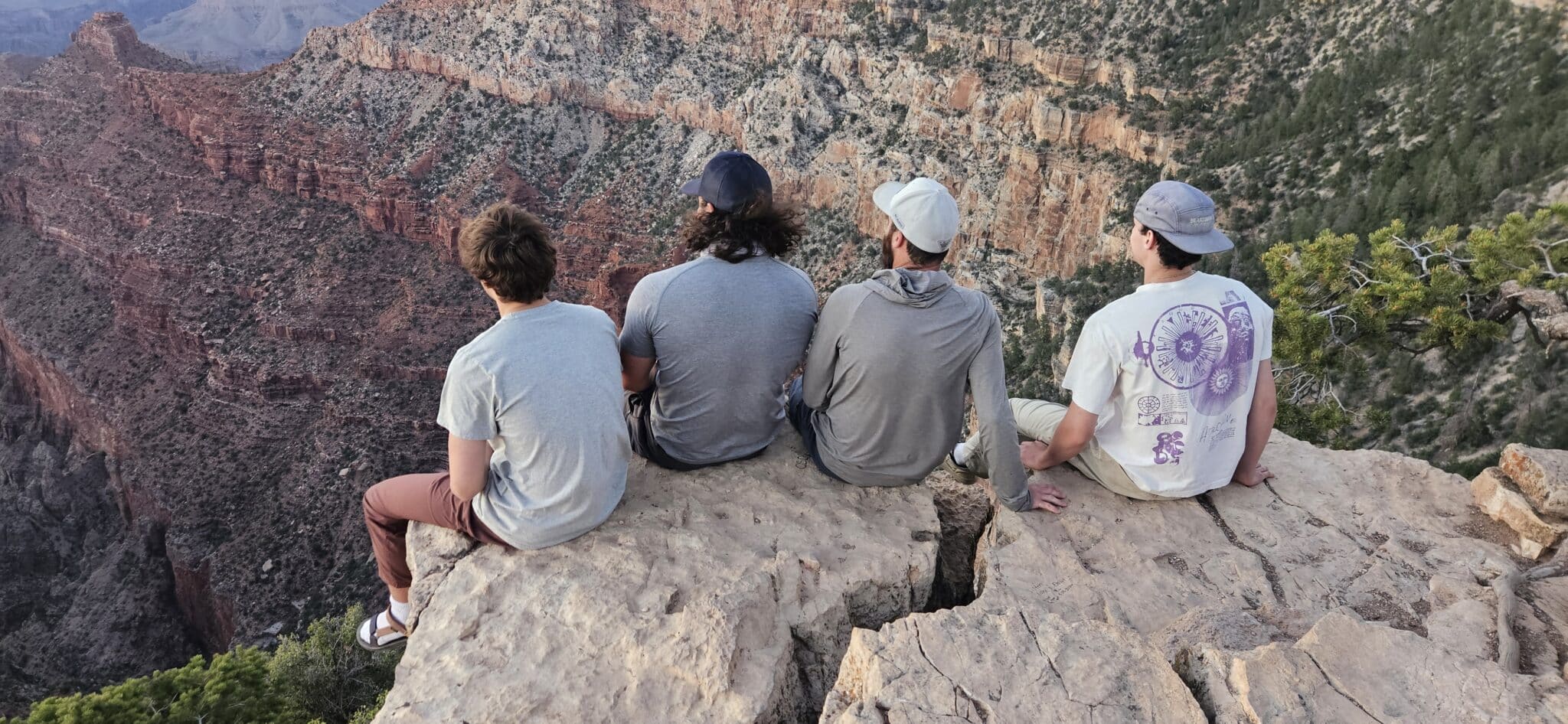
We treat mental health and cannabis use together so care is coordinated, engagement is higher, and relapse risk is lower. Marijuana use often overlaps with anxiety, depression, trauma, or emerging psychosis, and treating both at once produces better outcomes. Therapy, medication when needed, and our residential structure align around one clear plan.
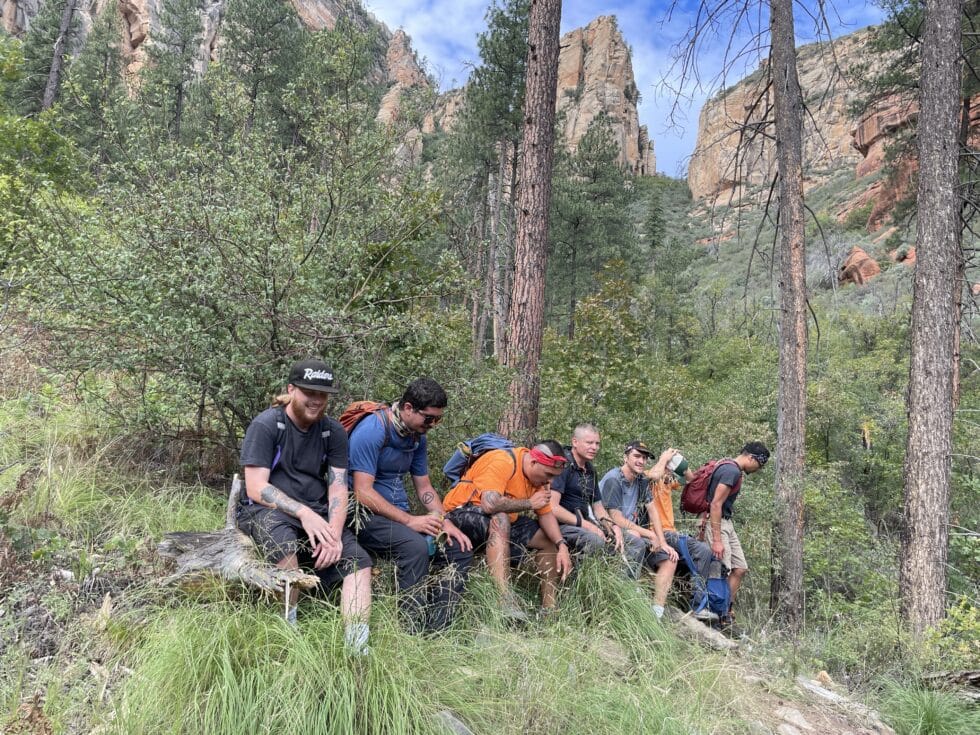
Our evidence-based care pairs cognitive behavioral therapy, motivational interviewing, group and family therapy, and relapse-prevention planning with outdoor adventure and hands-on life skills — so progress transfers to real life. Explore the programs that make up our model:

The fastest path into long-term residential treatment is to verify benefits now. Our admissions team confirms coverage and bed availability confidentially and explains next steps — no obligation.
Back2Basics Recovery accepts many major insurance plans and verifies coverage as part of admissions. Federal parity rules often make benefits available for substance use treatment, including residential care. Final coverage and any out-of-pocket cost are set after benefits verification and a clinical assessment.

Back2Basics Recovery: 1600 W University Ave, Suite 205, Flagstaff, AZ 86001
We serve Flagstaff, Coconino County, and Northern Arizona, with families coming from Sedona, Prescott, Williams, and the Phoenix metro.
Phone: (928) 814-2220
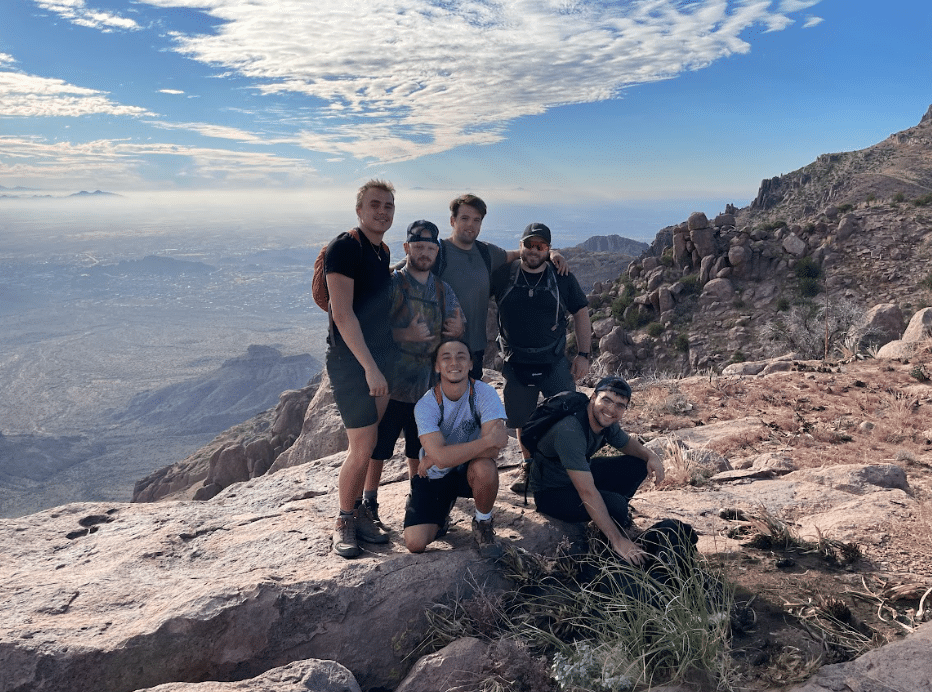
Coverage varies by plan. Federal parity rules require comparable coverage for addiction under most employer plans, but insurers still apply medical-necessity and network rules. We run a Verification of Benefits before admission and provide a written estimate so families know expected costs.
Yes, for some young men. Cannabis use disorder is a recognized medical condition, and today’s high-potency products make dependence more likely. When use disrupts work, school, motivation, or mental health and attempts to quit keep failing, long-term residential care gives the structure needed to change.
Usually not. Cannabis withdrawal is uncomfortable but not medically dangerous, and Back2Basics does not provide medical detox on-site. A clinical assessment determines whether any medical support is needed first, especially if other substances or mental health conditions are involved.
For heavy users, symptoms often start within one to three days and can include irritability, anxiety, insomnia, vivid dreams, appetite loss, and cravings. They typically peak in the first week and ease over the following weeks, and our structured environment helps young men through it.
There are no FDA-approved medications specifically for cannabis use disorder, so evidence-based behavioral therapy is the foundation of treatment. Our medical team may use supportive medication for sleep, mood, or anxiety when clinically appropriate, guided by a medical and psychiatric evaluation.
We focus on long-term, immersive care, so many clients engage for months rather than weeks, with length tailored to clinical needs and progress. Admissions discusses a recommended length during assessment and reviews it with families.
Yes. Treatment records are protected by HIPAA and substance-use confidentiality rules that limit disclosure without consent, with narrow safety and legal exceptions. You receive clear privacy and consent forms during admissions.
Get clear next steps with a confidential assessment for marijuana addiction. We verify benefits to speed admissions and help you understand the right level of care for where you are.
