


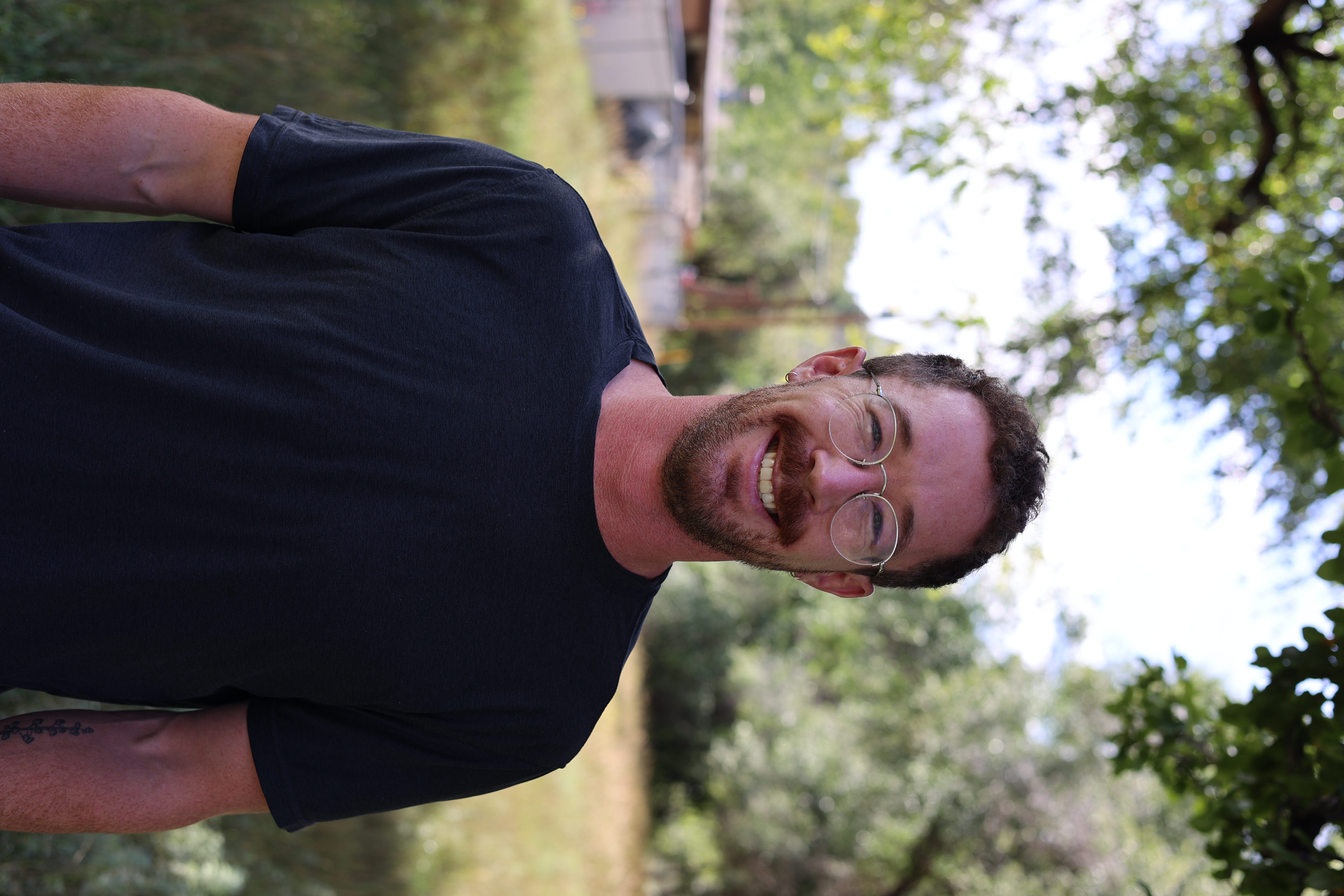
If you’re researching treatment options for your son, you’re likely facing one of the most difficult decisions a parent can make. Understanding inpatient residential treatment is an important first step toward finding the right path forward. This guide answers the most common questions parents ask about residential addiction treatment to help you make an informed decision for your family.
One of the most common questions we receive is what therapy actually looks like day-to-day — our individual and group addiction counseling program is built around licensed therapists who guide clients through the full duration of their stay.
What is inpatient residential treatment?
Inpatient residential treatment is an intensive, 24-hour care program where individuals live onsite at a treatment facility while receiving comprehensive support for substance use disorders. Unlike outpatient programs where clients return home each day, residential treatment provides a structured, drug-free environment where young men can focus entirely on their recovery without the distractions and triggers of everyday life.At Back2Basics, our long-term residential treatment program offers a unique approach specifically designed for young men. Operating since 2010, our boutique program combines therapeutic counseling with outdoor adventure activities and healthy daily living skills, providing individualized care that addresses both substance abuse and co-occurring mental health conditions.
How effective is inpatient residential treatment?
Research consistently shows that inpatient residential treatment produces meaningful improvements in recovery outcomes. Studies indicate that individuals who complete residential programs experience significant reductions in substance use alongside improvements in mental health and broader life functioning.
According to recent treatment data, approximately 68% of patients who complete full inpatient programs demonstrate successful outcomes, with those staying 90 days or more showing a 55% improvement in sustained recovery compared to shorter treatment durations. Research also demonstrates that residential treatment is particularly effective when it integrates mental health treatment and provides continuity of care after discharge.
For parents, these statistics underscore an important reality: completion matters. Young men who remain in treatment for the recommended duration and engage fully with the program have significantly better outcomes than those who leave early.
How long does inpatient residential treatment last?
The average inpatient residential treatment program lasts between 30 and 90 days, though the optimal length varies based on individual needs. Research consistently shows that longer treatment stays correlate with better outcomes. Studies have found that individuals who remain in residential treatment for 90 days or more demonstrate significantly higher success rates than those with shorter stays.
At Back2Basics, we recognize that sustainable recovery cannot be rushed. Our program allows for long-term treatment potential, giving young men the time they need to establish healthy routines, build meaningful connections with peers, and develop the coping skills necessary for lifelong sobriety. Many of our clients choose to continue their journey through our Beyond The Basics transitional living program, which provides additional support as they gradually reintegrate into independent living.
What happens during a typical day in residential treatment?
Daily life in inpatient residential treatment combines structured therapeutic activities with healthy lifestyle development. At Back2Basics, our program is built on three essential components that create lasting change:
Healthy Daily Living Skills: Learning to navigate everyday life in recovery is essential. Our program teaches practical life skills, establishes healthy routines, and provides 24-hour behavioral health staff coverage to guide clients as they practice these skills in a supportive environment.
Therapeutic Counseling: Clients participate in both individual and group therapy sessions led by highly qualified licensed therapists and psychiatrists. These sessions address underlying issues contributing to substance use, help clients develop coping strategies, and provide tools for managing triggers and cravings.
Outdoor Adventure and Recreational Activities: Our location in Flagstaff, Arizona, backing up to Coconino National Forest and within an hour of the Grand Canyon, Sedona, and Oak Creek Canyon, provides an ideal setting for experiential therapy. Weekly outdoor adventures challenge young men physically and mentally, helping them build confidence, face fears, and develop new ways of thinking beyond addiction.
What makes inpatient residential treatment different from outpatient treatment?
The primary difference lies in the level of structure and immersion. Inpatient residential treatment provides 24-hour support in a controlled, substance-free environment where young men can focus exclusively on recovery. Outpatient treatment, while valuable for many individuals, allows clients to return home each evening, which can present challenges for those struggling with severe addiction or lacking stable home environments.
Not sure where to start? Every recovery journey is different—we can help you find the right path.
Explore What We Can Do →Residential treatment is particularly beneficial for young men who:
- Have tried outpatient treatment without success
- Face significant triggers or enablers in their home environment
- Struggle with co-occurring mental health conditions requiring intensive support
- Need to establish fundamental recovery skills before returning to less structured settings
Research indicates that residential programs provide moderate to strong evidence of effectiveness, particularly when they integrate comprehensive mental health treatment alongside substance abuse care.
What should I look for in an inpatient residential treatment program?
Choosing the right program requires looking beyond marketing materials to understand what truly supports lasting recovery. Key factors include:
Environment and Setting: The treatment environment matters. Programs in locations like Flagstaff offer natural settings that promote healing, outdoor recreation opportunities, and strong recovery communities with extensive 12-step meeting availability.
Accreditation and Licensing: Verify that the program holds proper state licenses and national accreditations. Back2Basics maintains Arizona Department of Health Services licensing for residential treatment and Joint Commission Accreditation, ensuring we meet the highest standards for addiction treatment and mental health care.
Specialized Programming: Consider whether the program offers approaches that address your son’s specific needs. Programs that combine evidence-based clinical treatment with experiential therapy, like outdoor adventure programming, can be particularly effective for young men who benefit from physical challenges and nature-based healing.
Treatment Philosophy: Look for programs that provide individualized care rather than one-size-fits-all approaches. Each young man’s journey is unique, and treatment should reflect that reality.
Continuum of Care: Recovery doesn’t end when residential treatment concludes. Programs that offer transitional living options and ongoing aftercare recovery support help bridge the gap between intensive treatment and independent living.
Does insurance cover inpatient residential treatment?
Many insurance plans provide coverage for inpatient residential treatment, though the extent of coverage varies significantly between policies. Back2Basics accepts both in-network and out-of-network insurance plans, including major providers such as Aetna, Cigna, United Healthcare, Anthem Blue Cross Blue Shield, and TriCare.
Understanding your specific coverage requires contacting your insurance provider to ask about:
- Whether residential treatment is covered under your plan
- What percentage of treatment costs does the plan cover
- Whether pre-authorization is required
- Any limitations on the length of stay
- Out-of-network benefits if the program is not in-network
Many families find that investing in quality residential treatment yields returns that far exceed the initial cost—in terms of their son’s health, safety, and future potential.
Check with our team to discuss the specific costs of wilderness therapy programs.
Ready to take the next step in recovery?
Get in Touch →When is the best time to seek inpatient residential treatment?
The honest answer is: when you recognize that your son’s substance use is creating serious consequences in his life, and less intensive interventions haven’t worked. Warning signs include:
- Failed attempts at outpatient treatment or self-directed recovery
- Escalating substance use despite negative consequences
- Co-occurring mental health symptoms like depression or anxiety
- Legal problems related to substance use
- Deteriorating relationships with family and friends
- Academic failure or job loss
- Health problems related to substance use
While it’s natural to hope that the problem will resolve on its own or with minimal intervention, research shows that early, intensive treatment produces better long-term outcomes than waiting until the situation becomes critical.
It’s also worth noting that certain times of year may offer practical advantages. Fall, for instance, provides ideal weather for outdoor activities in Northern Arizona and can offer a natural transition point for young men looking to start fresh.
What role do families play in residential treatment?
Family involvement is a crucial component of successful recovery. At Back2Basics, we recognize that addiction affects entire families, not just the individual struggling with substance use. While the majority of our inquiries come from parents—often mothers taking the lead in finding help—we work with families to:
- Provide education about addiction and recovery
- Offer guidance on healthy communication and boundary-setting
- Help families understand their role in supporting long-term recovery
- Address family dynamics that may contribute to substance use
Effective residential programs balance client independence with appropriate family engagement, recognizing that young men need space to develop their own recovery identity while also benefiting from family support.
What happens after residential treatment ends?
Successful recovery requires ongoing support after residential treatment concludes. Research consistently shows that continuity of care significantly improves long-term outcomes. This is why comprehensive programs offer multiple levels of care that allow for gradual transitions.
At Back2Basics, clients have the option to apply for our Beyond The Basics transitional living program, which provides structured support as young men practice the skills they learned in residential treatment while gradually assuming more independence. This transition phase helps bridge the gap between the highly structured residential environment and fully independent living.
Other aftercare components may include:
- Continuing outpatient therapy
- Participation in 12-step or other recovery support groups
- Academic or vocational programming
- Life skills development and internship opportunities
- Ongoing connection with peers from treatment
The goal is to create a sustainable recovery lifestyle rather than simply achieving short-term abstinence.
How do I know if my son is ready for residential treatment?
Many parents worry about timing and whether their son is “ready” for treatment. While motivation certainly helps, waiting for perfect readiness often means waiting too long. Residential treatment can help create the conditions for readiness to develop.
What matters more than initial readiness is finding a program that:
- Meets your son where he is in his journey
- Provides individualized assessment to understand his specific needs
- Creates an environment where motivation can develop naturally
- Offers engaging programming that helps young men discover their own reasons for recovery
At Back2Basics, our evaluation process assesses whether candidates are a good fit for our program demographics and approach, ensuring we can provide the support each young man needs. Our men-only, boutique setting with outdoor adventure components appeals to many young men who haven’t connected with traditional clinical-only programming.
What makes Back2Basics different?
Our residential treatment program stands apart through several key differentiators:
- Men-Only Environment: Young men face unique pressures and challenges. Our single-gender program allows for focused attention on issues specific to male development and recovery.
- Outdoor Adventure Therapy: Located in Flagstaff at 7,000 feet elevation and backing up to Coconino National Forest, we leverage our natural environment as a therapeutic tool. Weekly outdoor adventures provide experiential learning opportunities that challenge clients physically and mentally while building confidence and self-efficacy.
- Boutique, Individualized Approach: With only seven bedrooms, our intimate facility allows for truly personalized care. We’re not a large institutional program—we’re a community where each young man receives individual attention from highly qualified therapists and staff.
- Integration with Community Resources: We partner with local resources including the Flagstaff Athletic Club for fitness and wellness programming. Flagstaff’s extensive recovery community, with over 200 12-step meetings weekly, provides robust ongoing support.
- Long-Term Treatment Potential: We recognize that sustainable recovery takes time. Our program allows for extended stays when clinically appropriate, and our Beyond The Basics transitional program provides continued support.
- Owner-Operated Excellence: Operating since 2010 as a privately owned, owner-operated facility, we maintain consistent quality and a personal commitment to each client’s success.
Taking the Next Step
If you’re considering inpatient residential treatment for your son, you’re already demonstrating the courage and commitment that recovery requires from families. The decision to seek help is never easy, but research and experience show that comprehensive residential treatment provides young men with serious substance use disorders the foundation they need for lasting recovery.
At Back2Basics, we understand that every phone call represents a family in crisis and a young man who deserves the chance to reclaim his life. Our admissions team is ready to answer your questions, explain our approach, and help determine whether our program is the right fit for your son’s needs. The Back2Basics intake conversation covers insurance, medical needs, and arrival logistics on a single call. Recovery is possible. With the right support, young men can overcome addiction and build meaningful, sober lives. Let us help you explore whetherresidential treatment at Back2Basics might be the next right step for your family.